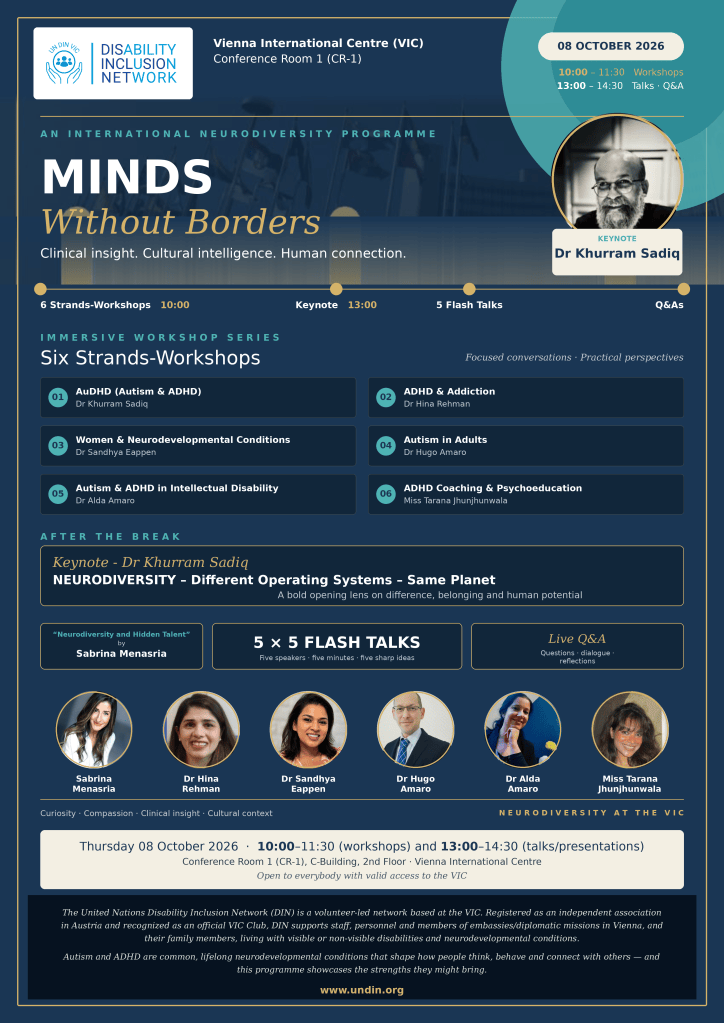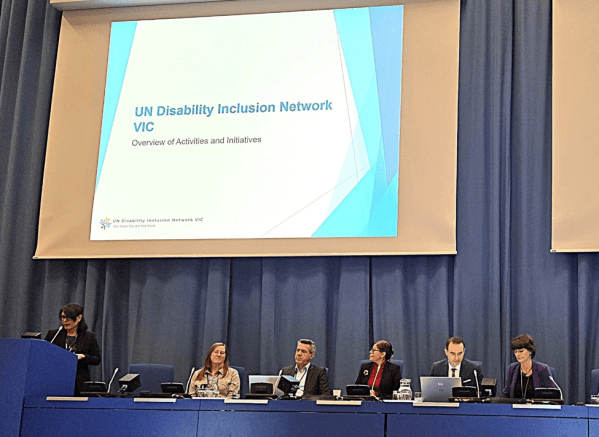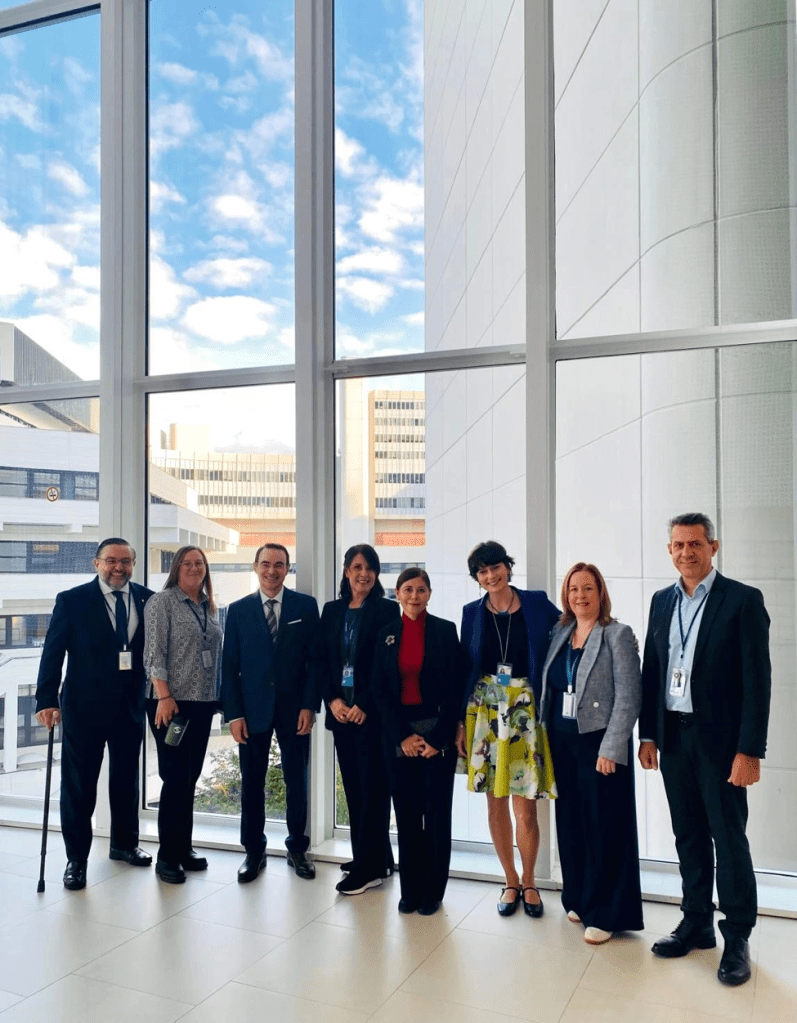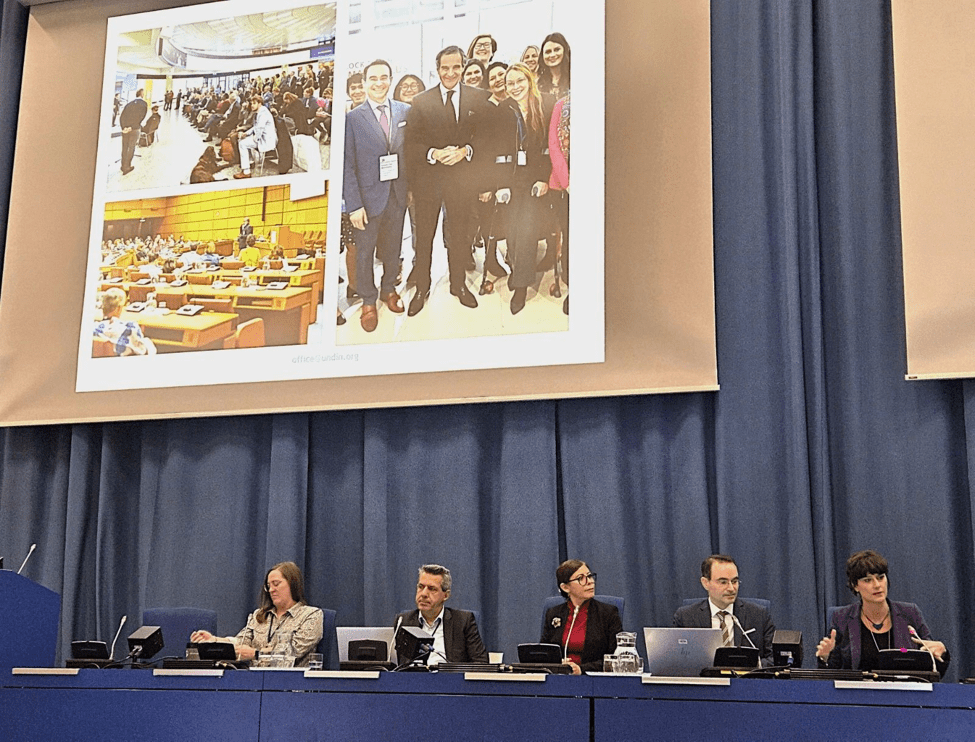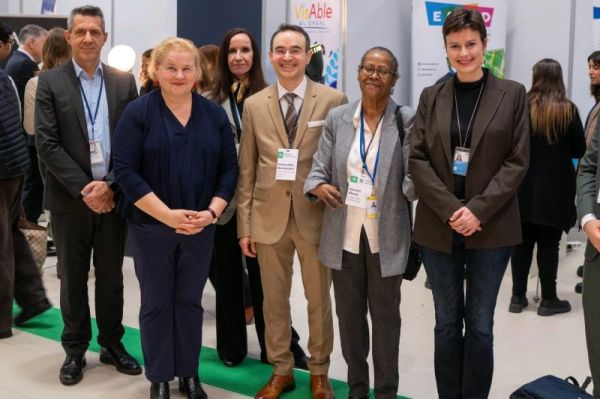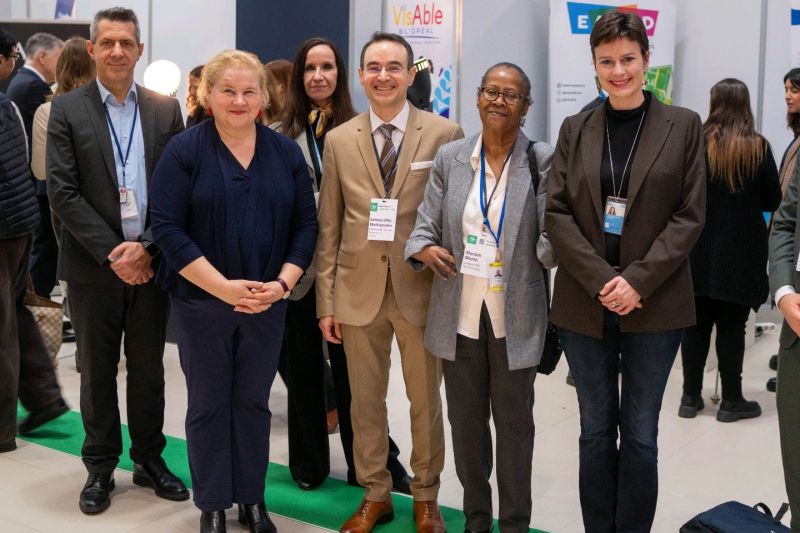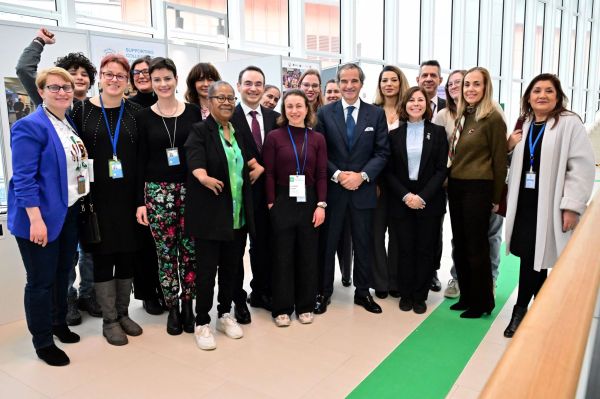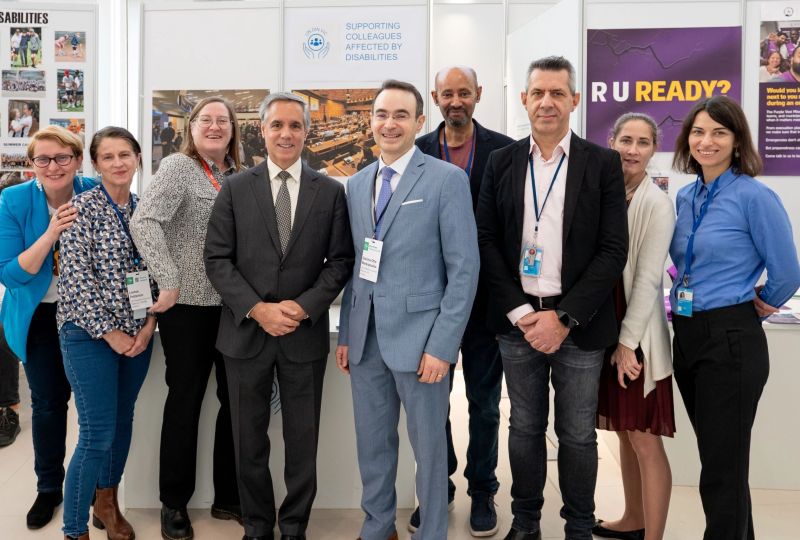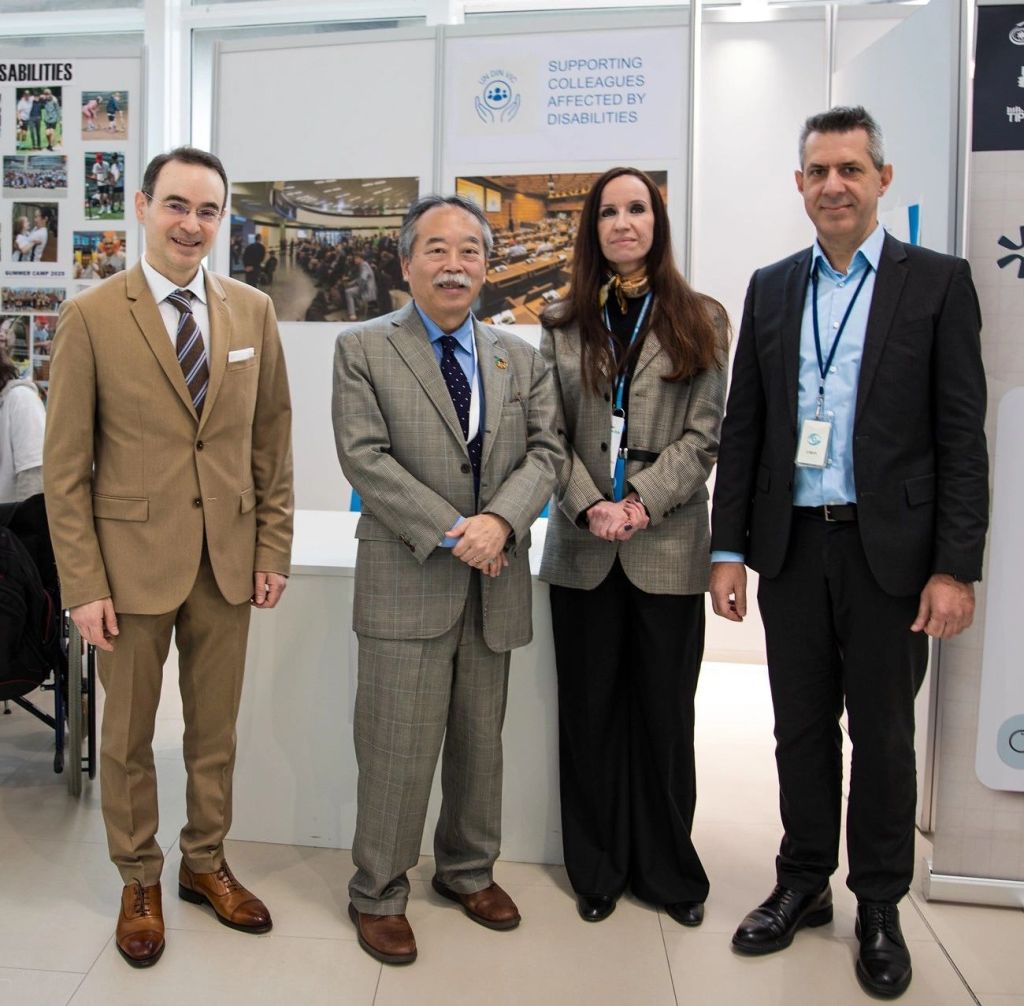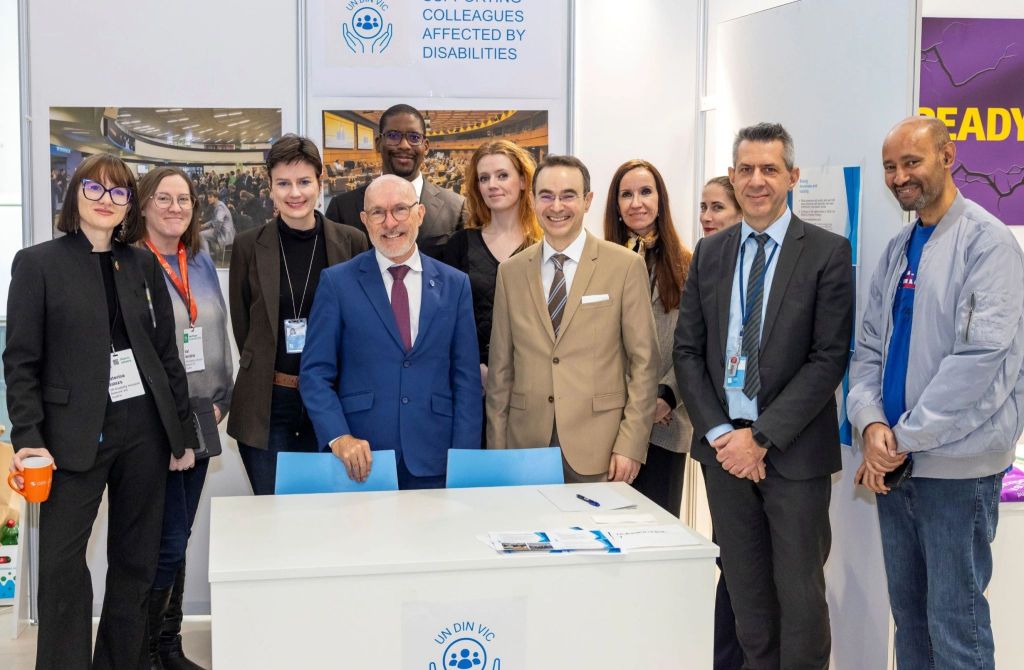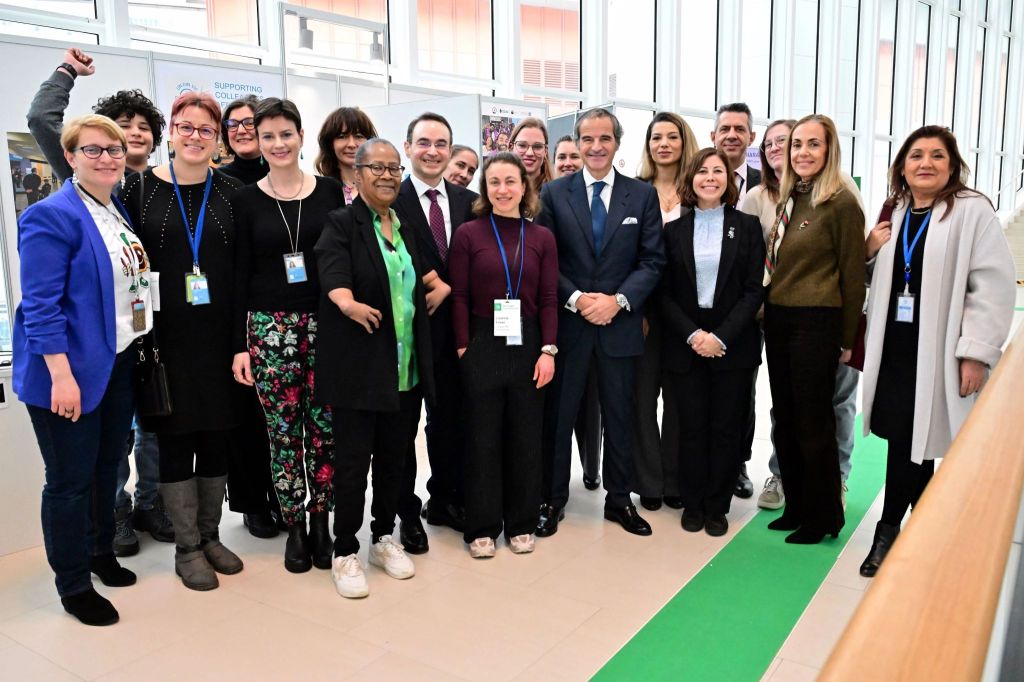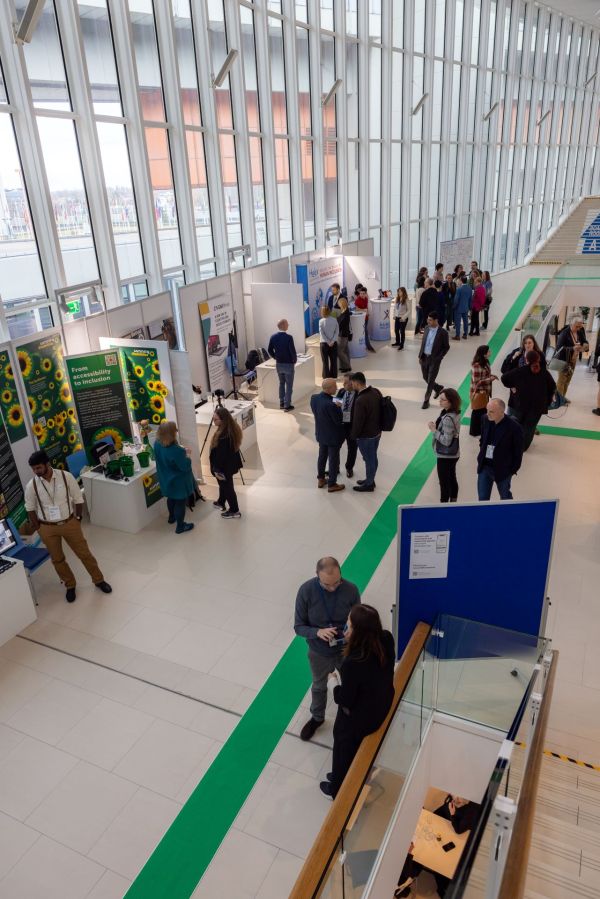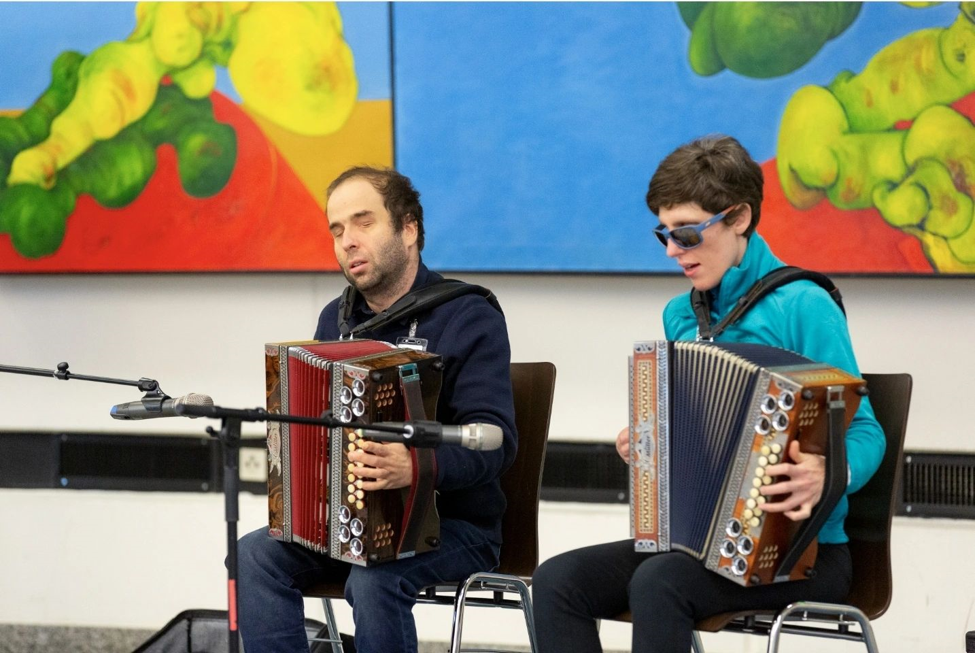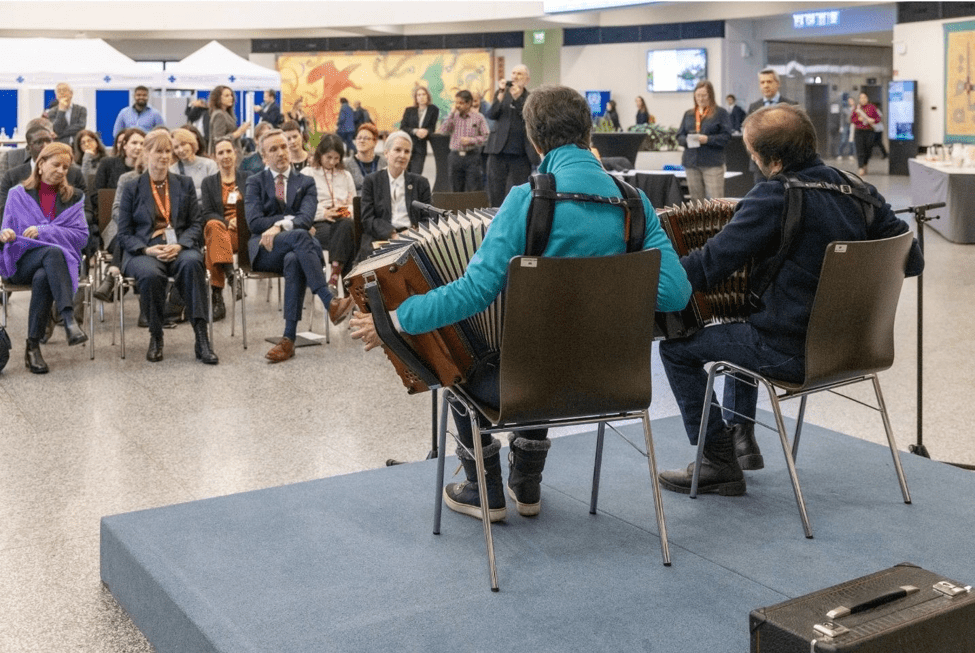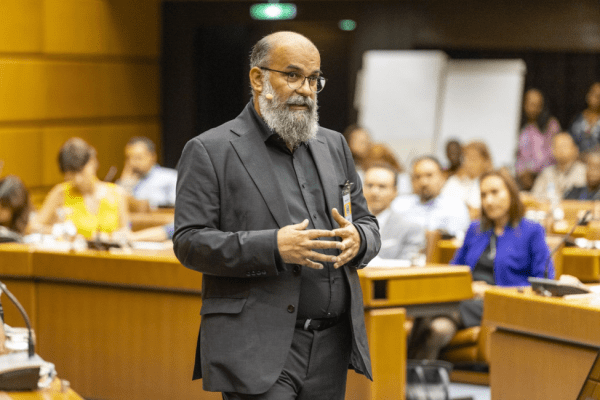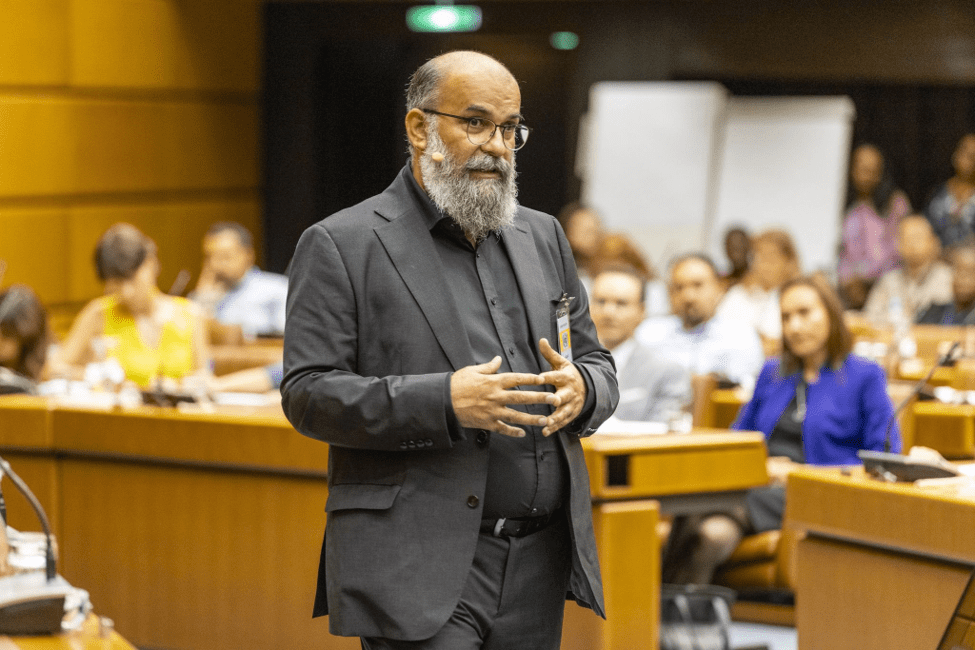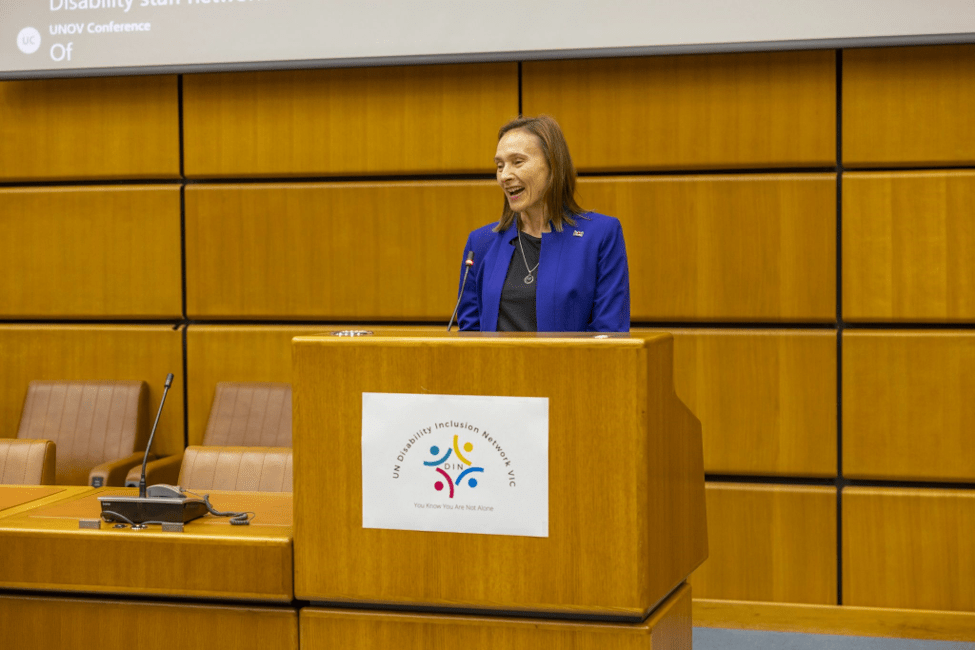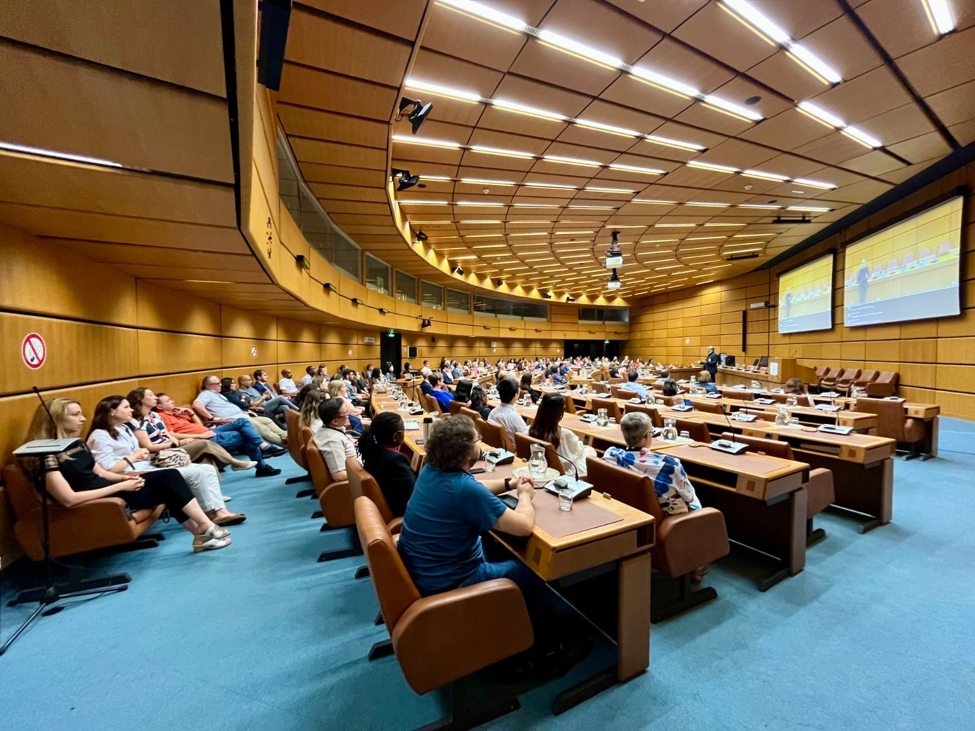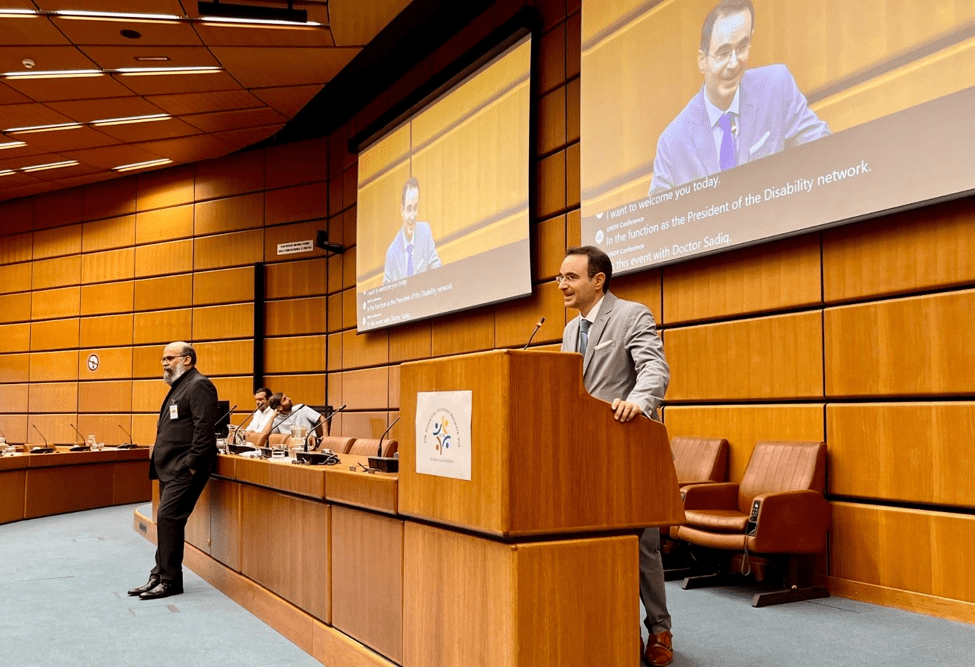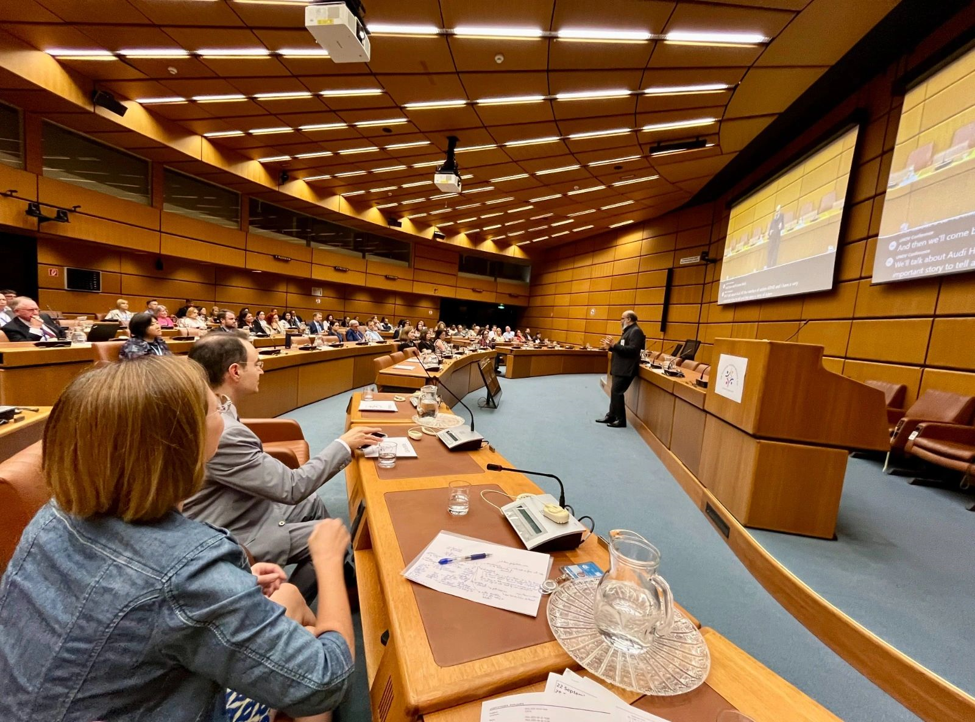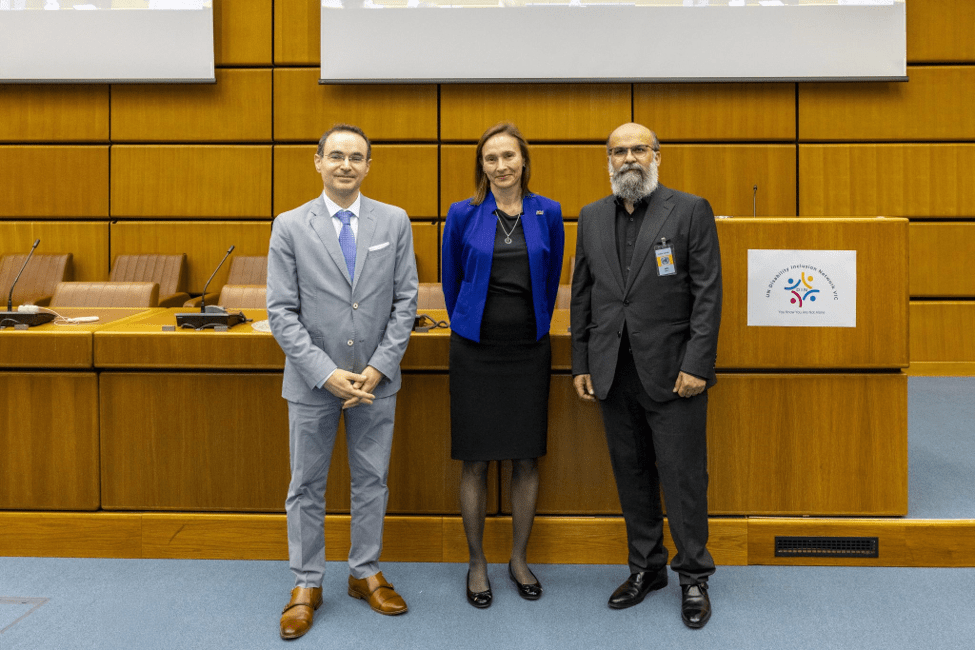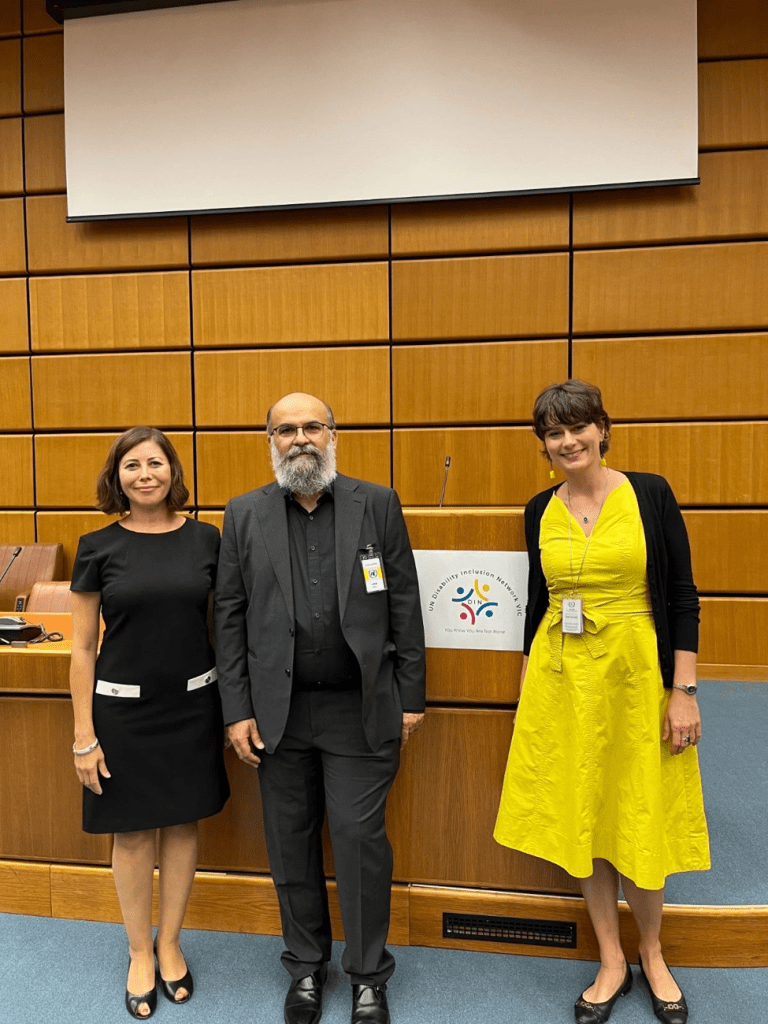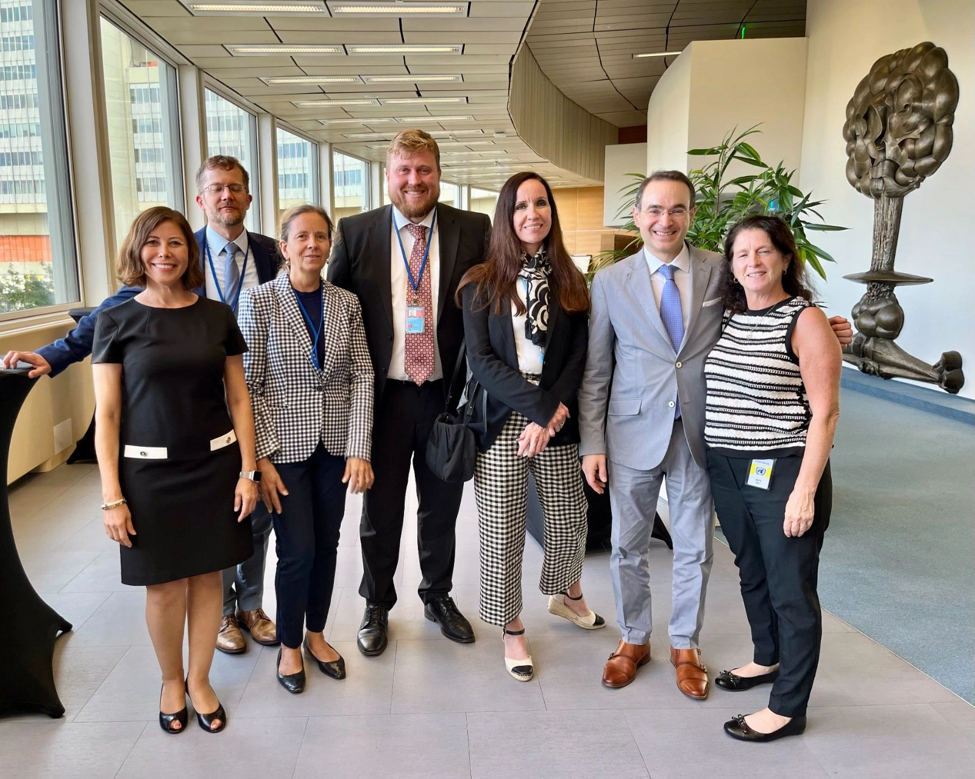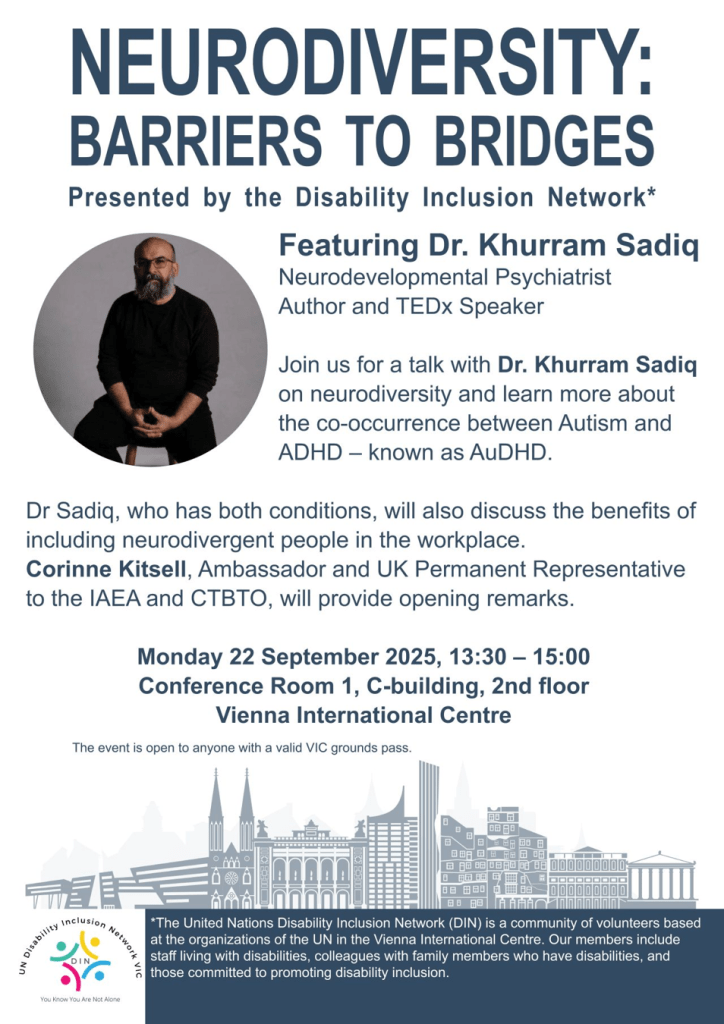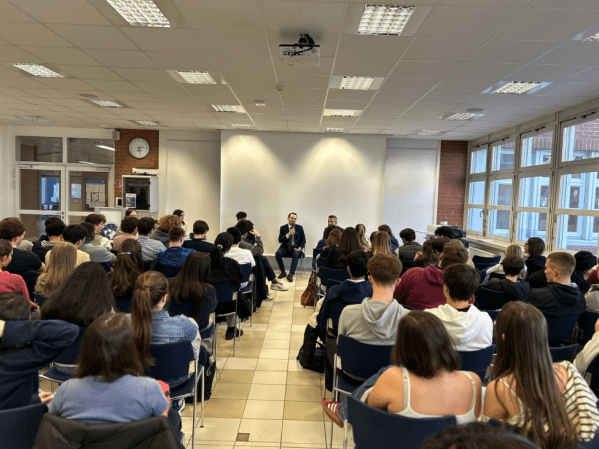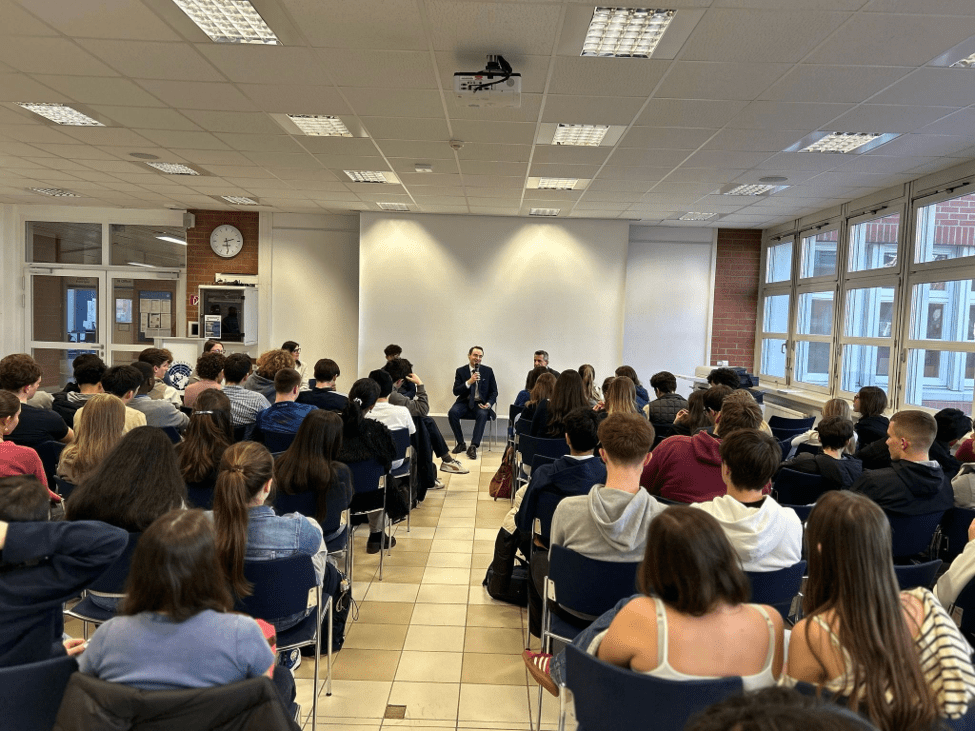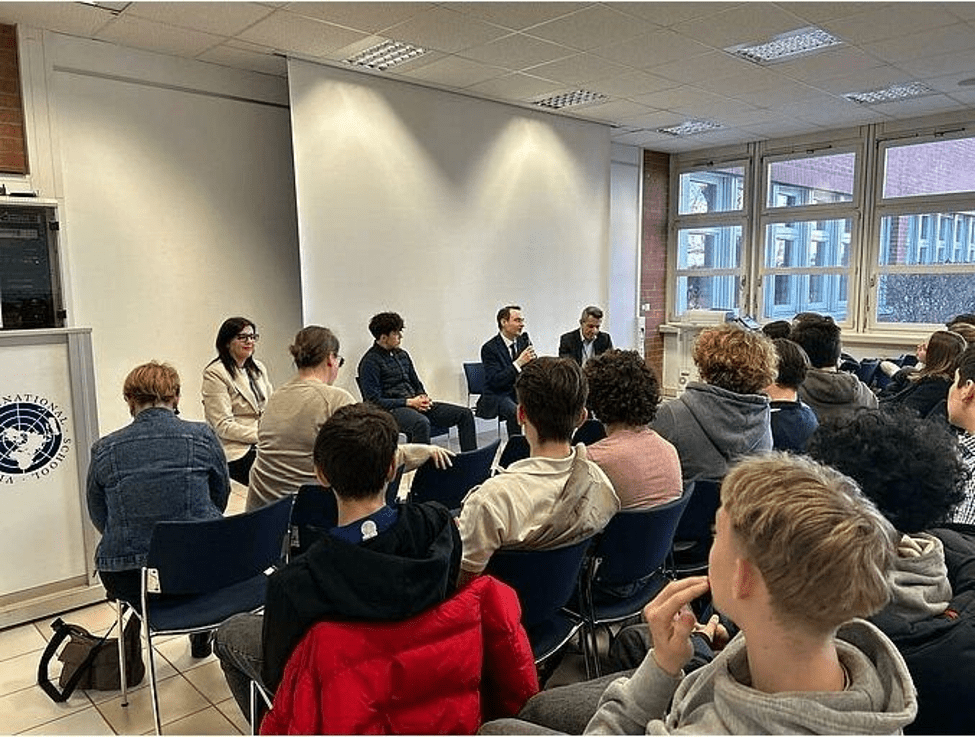
Thank you to everyone who joined us on Thursday, 8 October, in Conference Room 1 for Minds Without Borders 2026. On this page you will find a short recap of the day, the programme, the speaker biographies and the recording.
▶️ Watch the full recording on the UN DIN VIC YouTube channel.
A day in two parts
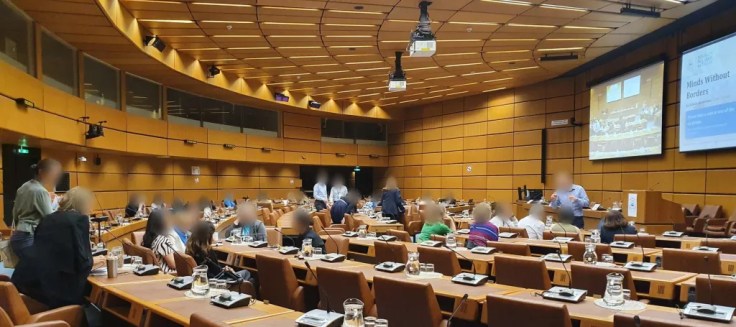
For the first time, the programme began with workshops in the morning. Six small groups rotated between six specialists and spent about 15 minutes on each topic. The idea came from earlier years: after the talks, so many people wanted to speak to the speakers in person that long queues formed. The morning conversations were so engaged that the session ran over time.
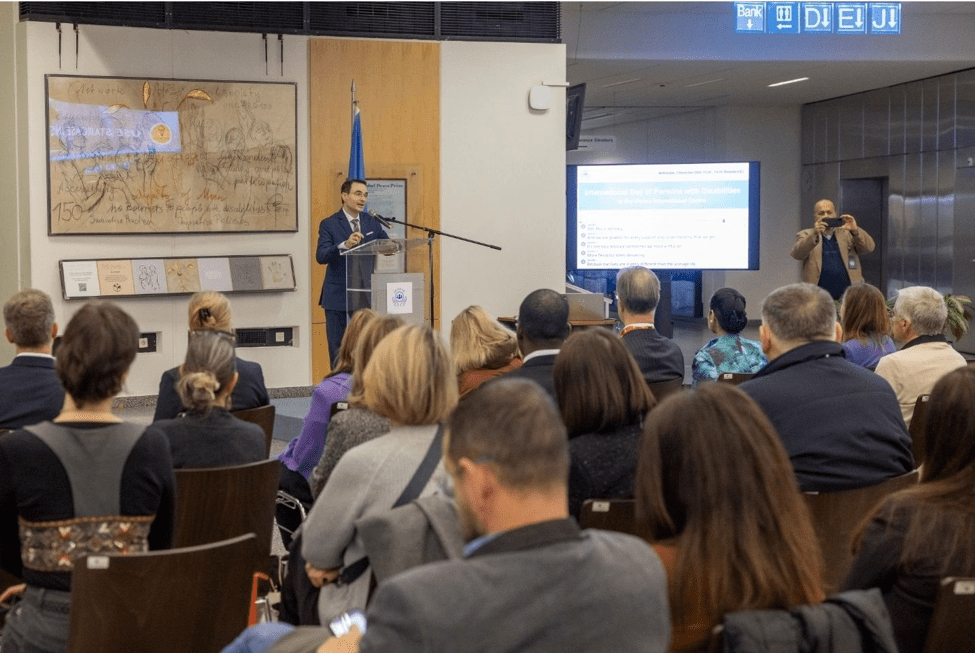
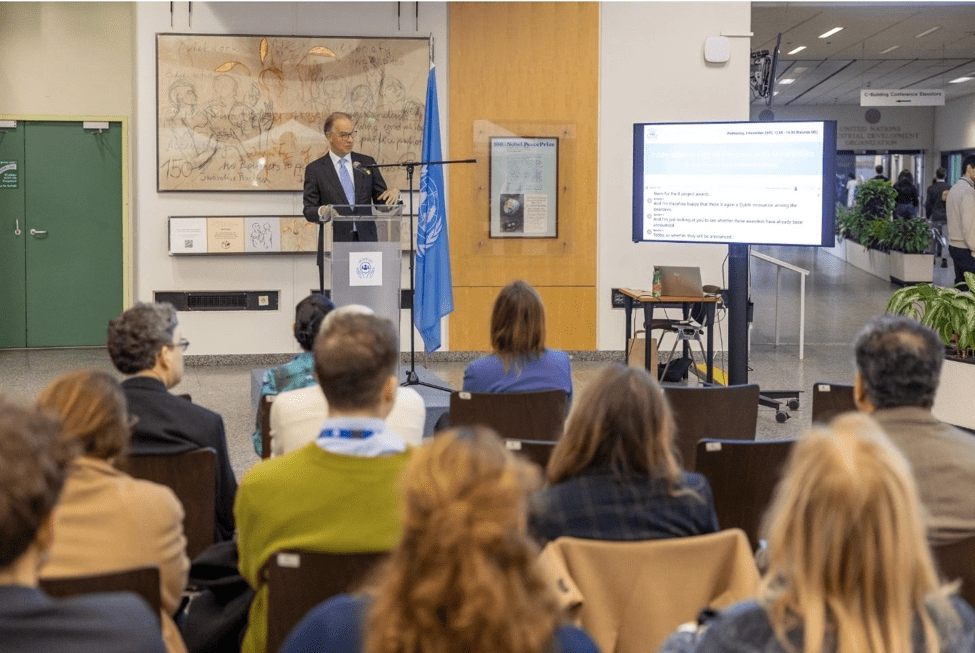
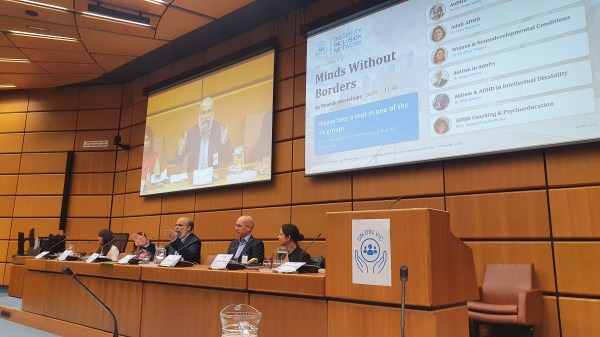
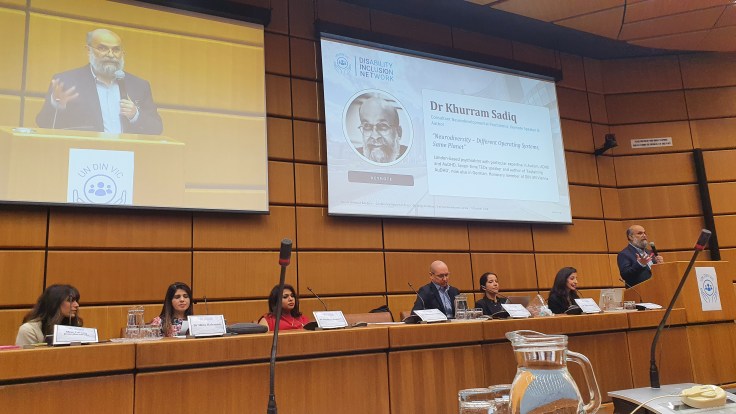
In the afternoon, moderated by our President Sotirios Markopoulos, the speakers brought the key messages together for a wider audience. Dr Khurram Sadiq got the room on its feet with a rhythm everyone recognized from Queen. “Nobody conducted you, nobody managed you,” he pointed out afterwards, and yet the result was a shared sound.
Five ideas we are taking home
- Different is not defective. Dr Sadiq described the brain in IT terms: the basic hardware is shared, but the operating systems differ, and software written for one system will not run on another. Nobody would call macOS a broken Windows, and the same logic applies to people. “When people crash, it’s not the people where the problem is. It’s the setting that they’re in.”
- One sentence can change a life. Dr Sadiq spoke about Alex, who was labelled disruptive as a child and only received an ADHD diagnosis at 25. What changed his view of himself was being told: “Your brain is not broken. It’s just different. This world was not designed keeping your brain in mind, but you were not designed wrong.”
- Strengths, not superpowers. Dr Sadiq said he no longer uses the word “superpower”. He prefers to speak of strengths such as hyperfocus and pattern recognition. His example was a machinist who could hear from small changes in sound that a machine would fail, and who flagged problems months ahead. Then a new manager stopped listening, and the breakdowns became expensive.
- Masking has a price. Constantly adapting to others takes enormous energy. Neurodivergent burnout, Dr Sadiq stressed, is not the same as depression. It calls for rest and understanding.
- Diagnosis and belonging belong together. According to Dr Sadiq, most autism research comes from North America, Europe and Japan, which are home to only about one in ten of the world’s children. Comparing communities that offer belonging but no diagnosis with health systems that offer diagnosis but long waiting lists, he summed it up: “A map without belonging is a label. A belonging without a map is a mystery.” He encouraged everyone to “be the Brian May of this world” and to make room for different minds.
The talks in brief
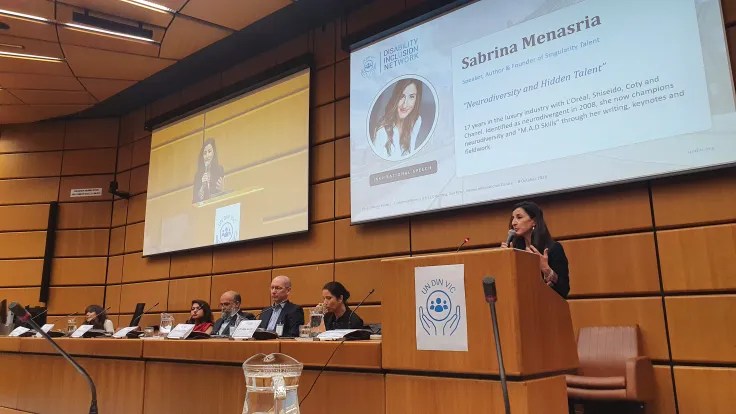
Sabrina Menasria, Neurodiversity and hidden talent. Drawing on a large IT transformation project, she spoke about a team member whose excellent work was overlooked because he did not match social expectations. “What was invisible to them was visible to me,” she said. Once he was assessed on his results, his manager admitted: “This guy is amazing. I made a mistake.” She encourages managers to make expectations explicit and to see people where their strengths lie, because “neurodiversity is about combining our differences to grow collectively”.
Dr Hina Rehman, ADHD and addiction. Substance use is common among people with ADHD and often works as a form of self-medication. Yet ADHD is frequently missed in addiction services. Her advice to families and colleagues: “Respond with curiosity about the behaviour rather than fixing it.”
Dr Sandhya Eappen, Women and ADHD. Diagnostic criteria shaped around hyperactive boys mean that many women are recognized late: “It’s not a gap in women, it’s a gap in the instrument.” Masking and stigma add to the problem: “Shame keeps her from asking for help, but disbelief keeps her from seeking help.”
Tarana Jhunjhunwala, ADHD coaching. Medication can quiet the noise, but practical systems for everyday life have to be learned. She put the difference to therapy in a nutshell: “If therapy asks, why do I feel like this?, ADHD coaching asks, what can we do about it, starting Monday?” In group coaching, participants also find what she called “validation at scale”.
Dr Hugo Amaro, Autism in adults. Many adults seek an assessment after years of exhaustion, wanting above all to understand themselves. What has grown in recent years, he explained, is awareness, not the frequency of autism. His reminder to clinicians and employers: “A small symptom might hide something bigger.”
Dr Alda Amaro, Intellectual disability, autism and ADHD. When one diagnosis overshadows another, important needs go unmet. She called for looking at the whole person and their development rather than at a single label. She closed with: “Adjust your sails, because we can’t change the wind.”
From the Q&A
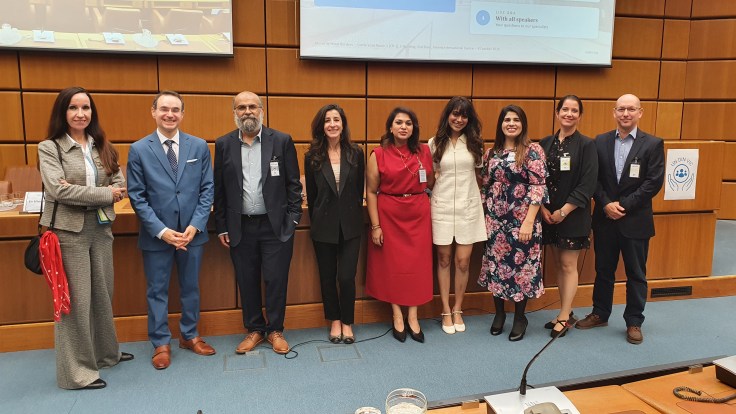
A participant asked whether children with ADHD should have schools of their own. The speakers agreed that inclusion works better: mixed classrooms, well-trained teachers and quiet spaces. Separate schools, they warned, risk increasing stigma. Sotirios Markopoulos closed the session with the thought that someone seen as broken in one setting can be brilliant in another.
After the event
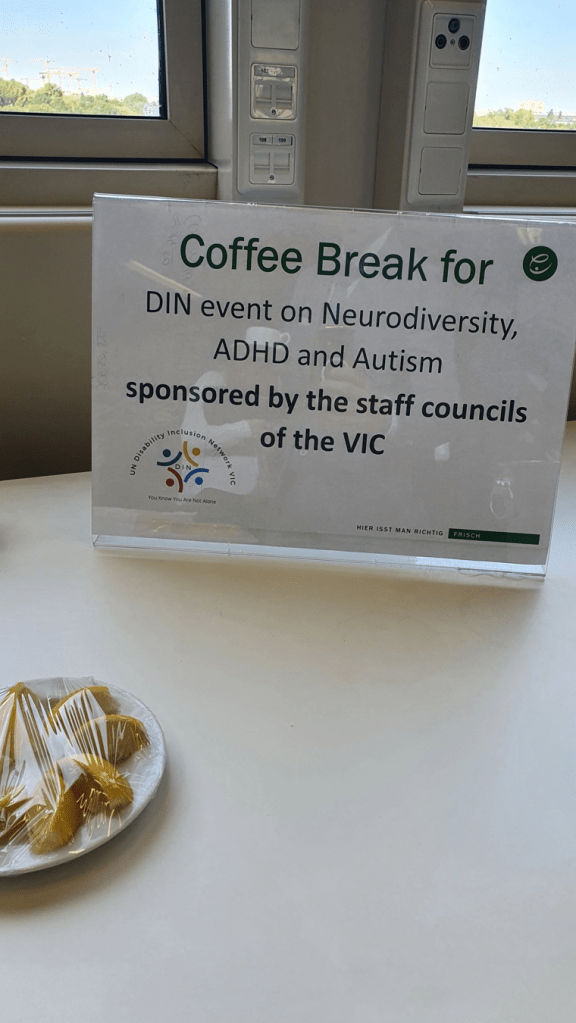
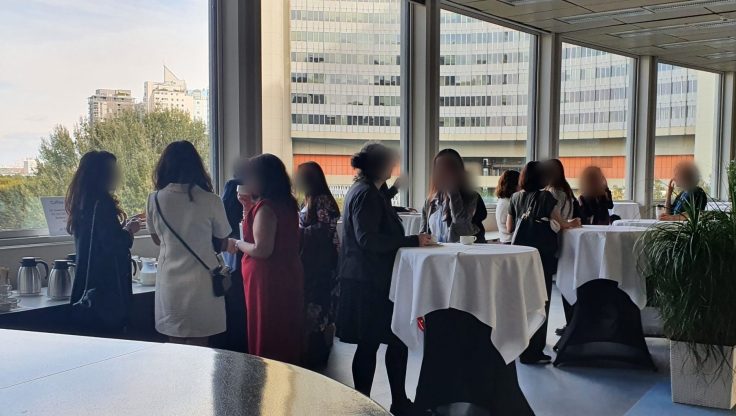
Coffee and tea were served after the event, sponsored by the staff councils of the main VBOs of the VIC
About the speakers
Dr Khurram Sadiq – Consultant Neurodevelopmental Psychiatrist, Keynote Speaker & Author. London-based Consultant Neurodevelopmental Psychiatrist in independent practice, with particular expertise in Autism, ADHD and the intertwining concept of AuDHD, alongside the intersection of mental health with gaming and social media. An established keynote and TEDx speaker (seven TEDx talks since 2019), he has spoken across Spain, France, Austria, the UK, Portugal, Pakistan, Dubai, Saudi Arabia, India, Qatar and the United States, including invited talks on neurodiversity at UN Vienna and UNESCO in 2024 and 2025. He is the author of ‘Explaining AuDHD’ (now translated into German) and an honorary member of DIN UN Vienna.
Dr Sandhya Eappen – General Adult Psychiatrist, ADHD in Women. UK-trained general adult psychiatrist (CCT) and former perinatal consultant, now practising in Dubai with a special interest in ADHD in women across the reproductive lifespan – adolescence, pregnancy, postpartum and perimenopause.
Dr Hugo Amaro – Consultant Psychiatrist, Autism in Adults. NHS Consultant Psychiatrist and Crisis/Home Resolution Team clinical lead, GMC specialist and Royal College of Psychiatrists Specialist Associate, with special interests in neuromodulation and adult ADHD assessment; visiting lecturer, University of Southampton.
Miss Tarana Jhunjhunwala – ADHD Coach, Neurodevelopmental Specialist. ADHD coach and neurodevelopmental specialist (MSc, King’s College London) building culturally grounded, strengths-based support across South Asia, informed by her own lived experience with ADHD and prior clinical work with the NHS Oxleas Adult ADHD Team.
Dr Alda Amaro – Clinical & Health Psychologist, Intellectual Disability. Chartered Clinical and Health Psychologist and Director of Insight Mental Health, working in the NHS since 2018 with individuals with intellectual disabilities and neurodivergent people; clinical supervisor and visiting lecturer, University of Southampton.
Dr Hina Rehman – Consultant Neurodevelopmental Psychiatrist, ADHD & Addiction. Manchester-based Consultant Neurodevelopmental Psychiatrist (MRCPsych) providing specialist ASD and ADHD assessments, with interests in AuDHD, addiction psychiatry and transcultural mental health.
Sabrina Menasria – Speaker, Author, Founder of Singularity Talent. Speaker and author with 17 years in the luxury industry (L’Oréal, Shiseido, Coty, Chanel); identified as neurodivergent in 2008, she now champions neurodiversity and “M.A.D Skills” through her writing, keynotes and fieldwork.
Thank you
We warmly thank all our speakers, the participants who joined us in the morning and afternoon, and everyone who helped make Minds Without Borders 2026 possible.